The best WiFi routers depend on whether you need broad home coverage, fast wired connections, gaming features, or a private network while traveling. This roundup compares those tradeoffs, including WiFi generations, band support, port selection, and mesh options, so you can match a router to your devices and setup.
Quick Top Products
TP-Link Archer BE600
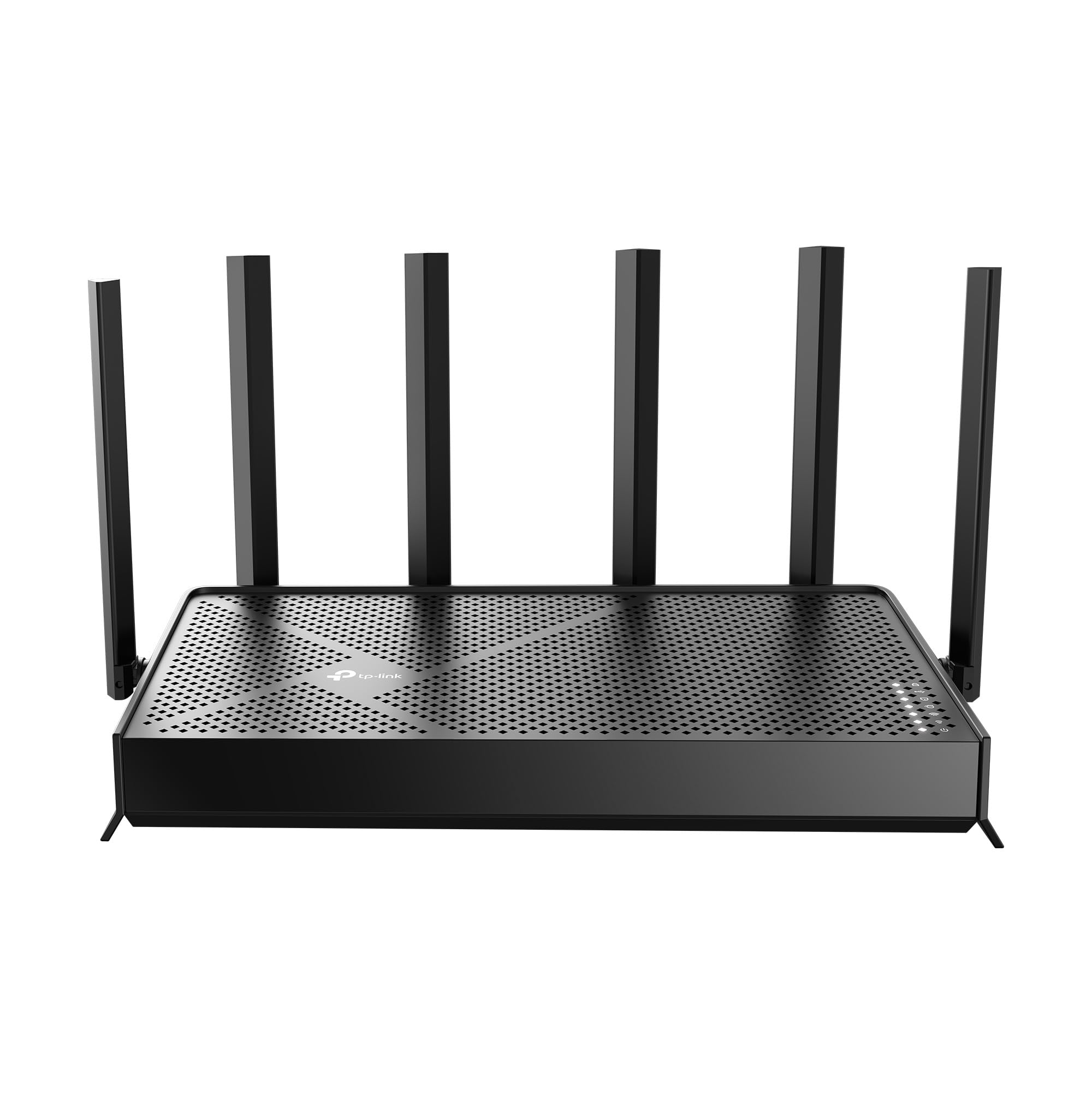
- Tri-band WiFi 7 with up to 320 MHz channels and Multi-Link Operation.
- One 10 Gbps, one 2.5 Gbps WAN/LAN, and three 2.5 Gbps LAN ports.
- Rated for up to 2,600 sq. ft. and 120 devices; includes VPN client and server support.
Best For: Households seeking tri-band WiFi 7, broad device capacity, and several multi-gig wired connections.

TP-Link Archer AXE75
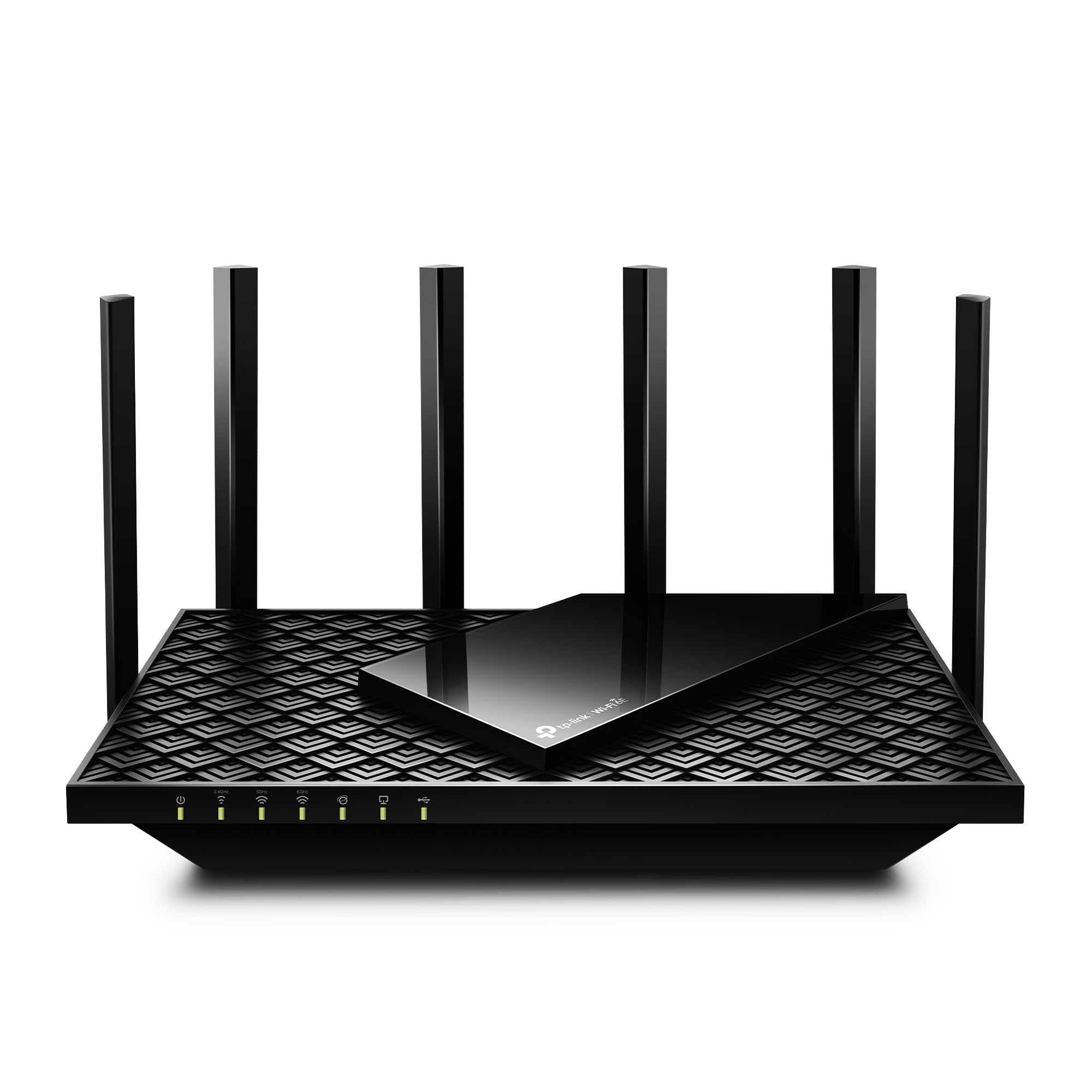
- Tri-band WiFi 6E adds 6 GHz alongside 5 GHz and 2.4 GHz.
- OneMesh support enables expansion with a compatible TP-Link extender.
- Includes a 2.5 Gbps WAN port and VPN client/server support.
Best For: Homes with WiFi 6E devices that want three bands and a path to OneMesh expansion.
TP-Link Archer BE400
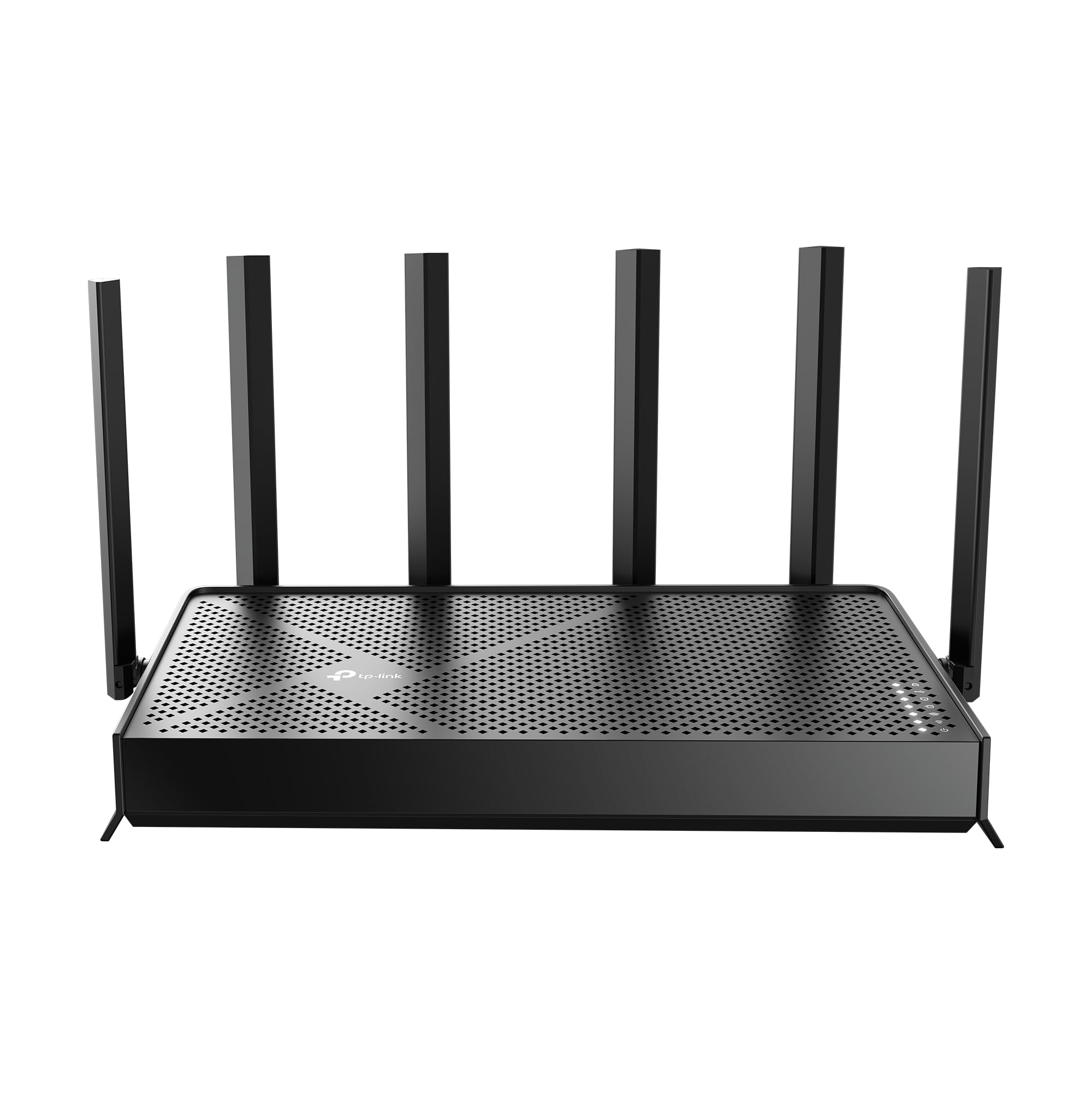
- Dual-band WiFi 7 with Multi-Link Operation and listed total bandwidth up to 6.5 Gbps.
- Two 2.5 Gbps ports plus three 1 Gbps LAN ports.
- Rated for up to 2,400 sq. ft. and 90 devices; compatible with EasyMesh.
Best For: Homes wanting dual-band WiFi 7 and multi-gig wired connections without a tri-band router.
TP-Link Archer BE230
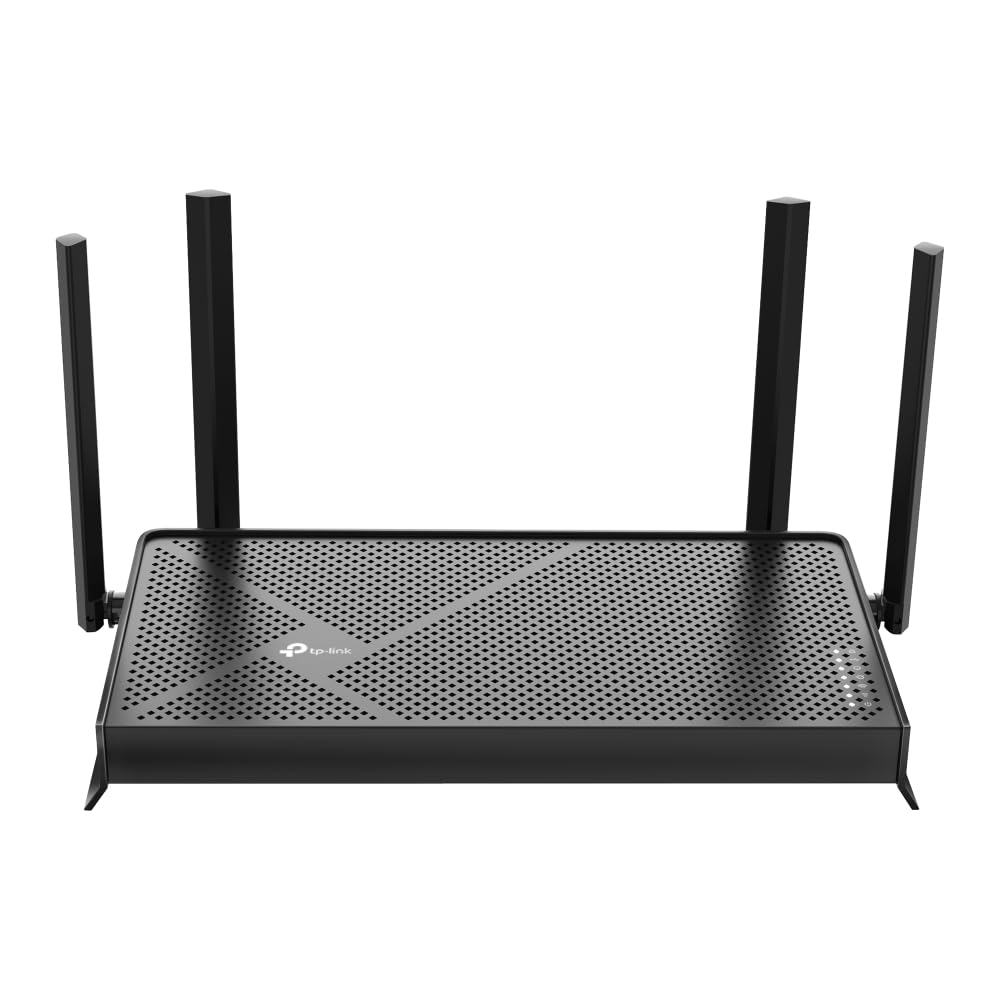
- Dual-band WiFi 7 with MLO, Multi-RUs, and 4K-QAM.
- One 2.5 Gbps WAN/LAN port, one 2.5 Gbps LAN port, and three 1 Gbps LAN ports.
- Rated for up to 2,000 sq. ft. and 60 devices; works with EasyMesh.
Best For: Households moving to WiFi 7 that want two 2.5 Gbps ports and EasyMesh support.
TP-Link Deco 7 BE23
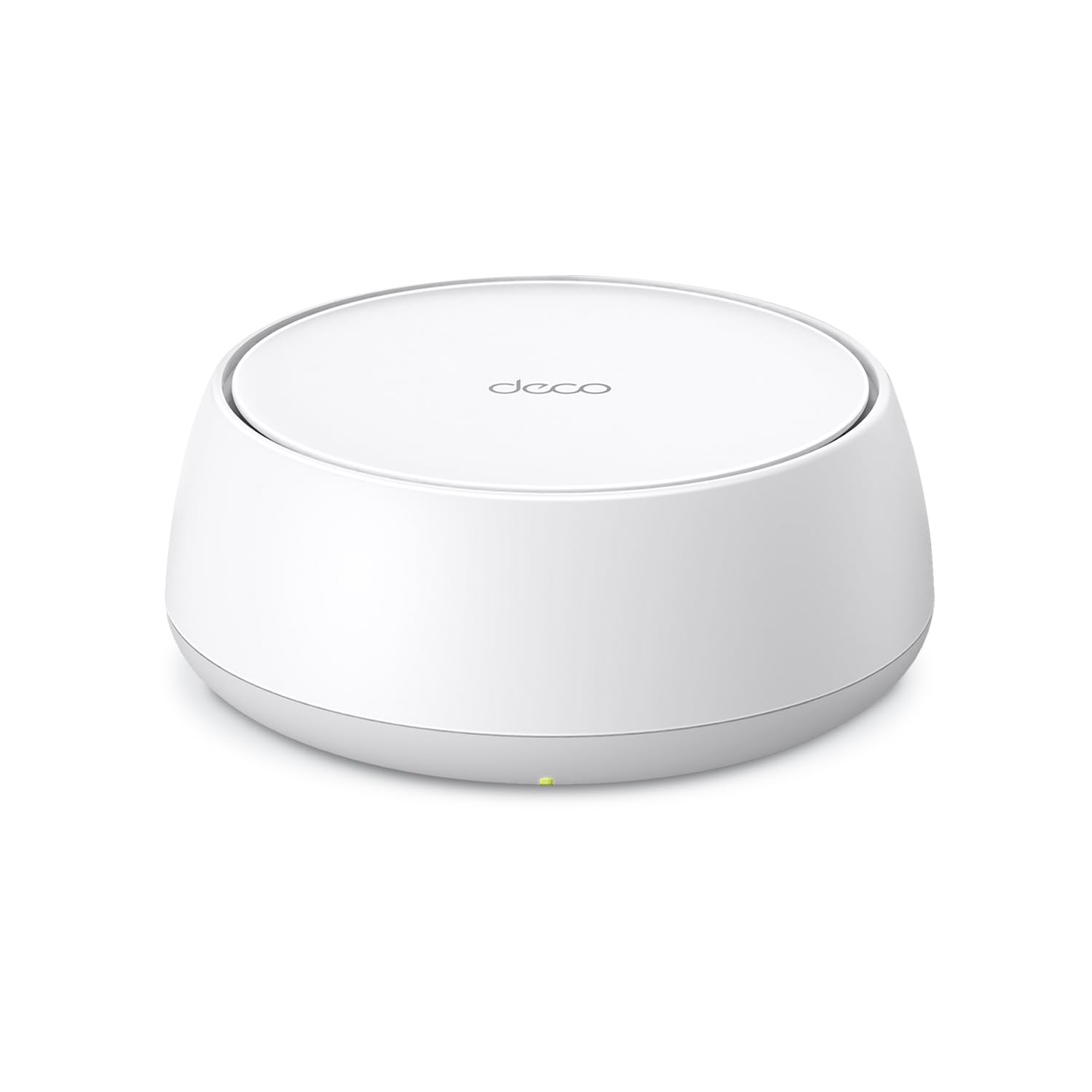
- Dual-band WiFi 7 with MLO and a single network name across compatible Deco mesh units.
- Two 2.5 Gbps WAN/LAN ports; wired and wireless backhaul support.
- One-pack rated for up to 2,500 sq. ft. and 150 devices.
Best For: Households who want a WiFi 7 Deco mesh unit that can later work with other Deco products.
TP-Link Archer GE650
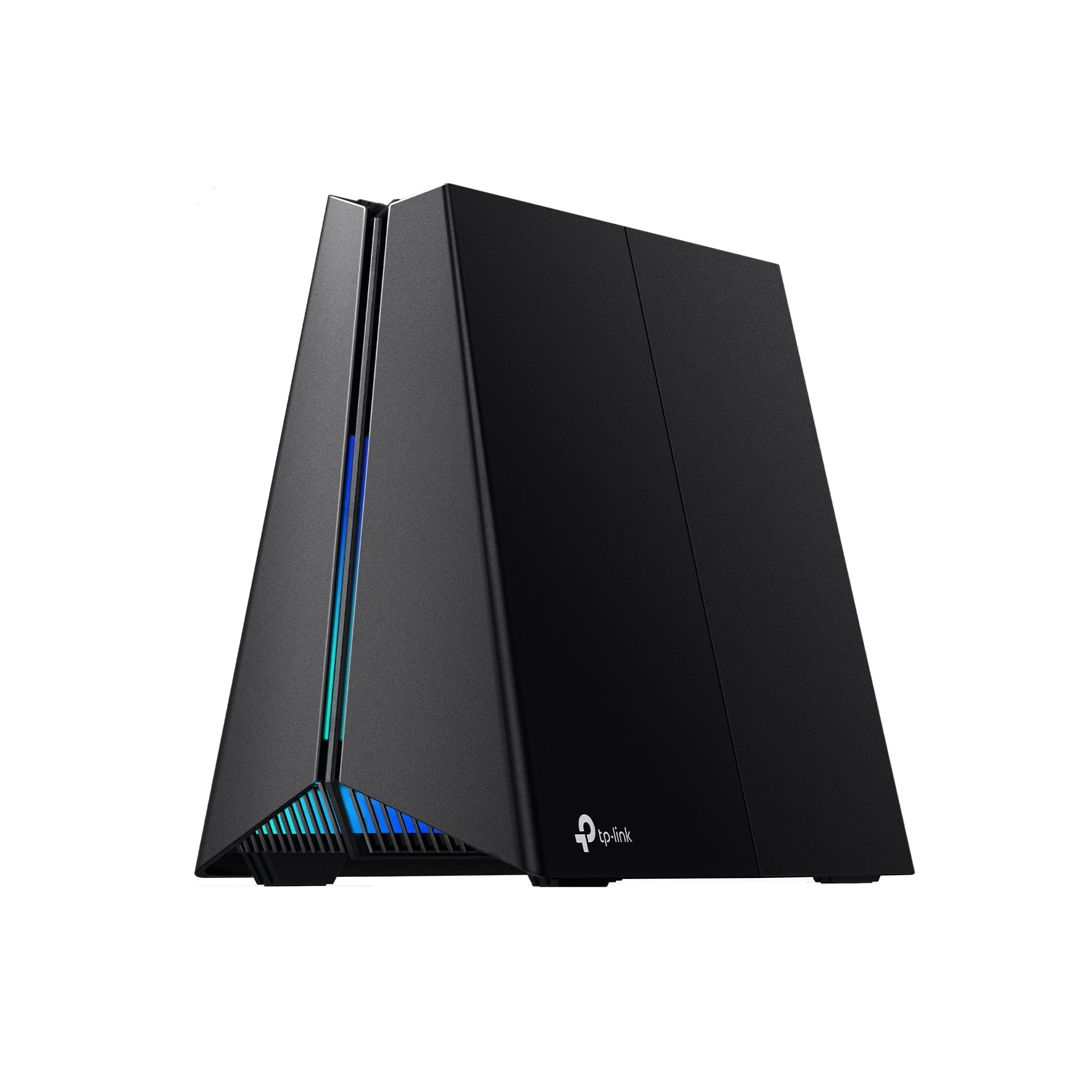
- Tri-band WiFi 7 with a dedicated 5 GHz gaming band and MLO.
- One 5 Gbps WAN, one 5 Gbps LAN, and three 2.5 Gbps LAN ports.
- Includes game acceleration, a game dashboard, RGB lighting, and EasyMesh.
Best For: Gamers seeking a tri-band WiFi 7 router with gaming traffic tools and multi-gig ports.
TP-Link Archer GE800
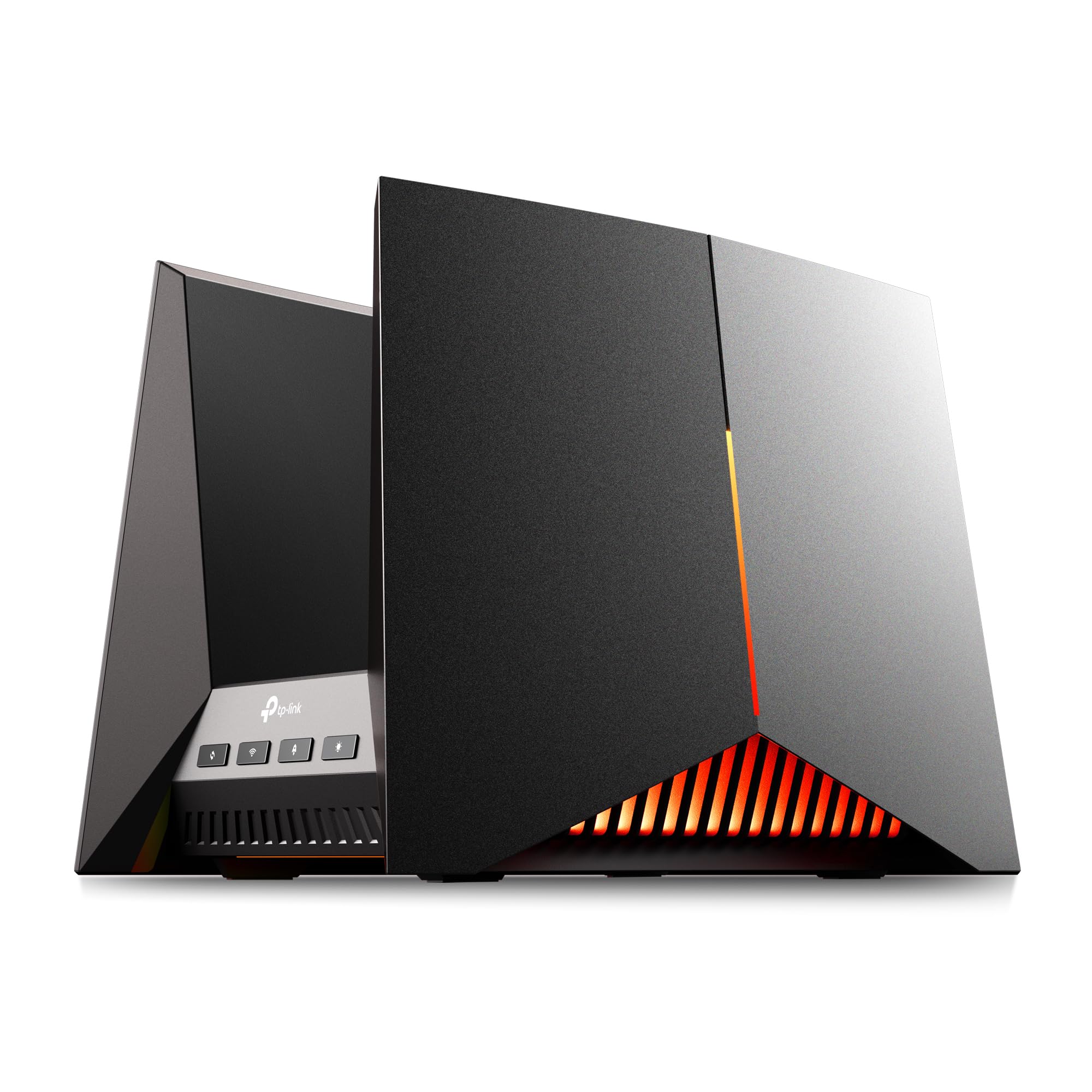
- Tri-band WiFi 7 with 12 streams and a combined rated speed up to 19 Gbps.
- Two 10 Gbps ports and four 2.5 Gbps ports.
- Gaming port, game acceleration, performance panel, RGB lighting, and EasyMesh.
Best For: Gaming households with demanding multi-gig wired equipment and a preference for extensive router controls.
Tenda RX12 Pro V3.0
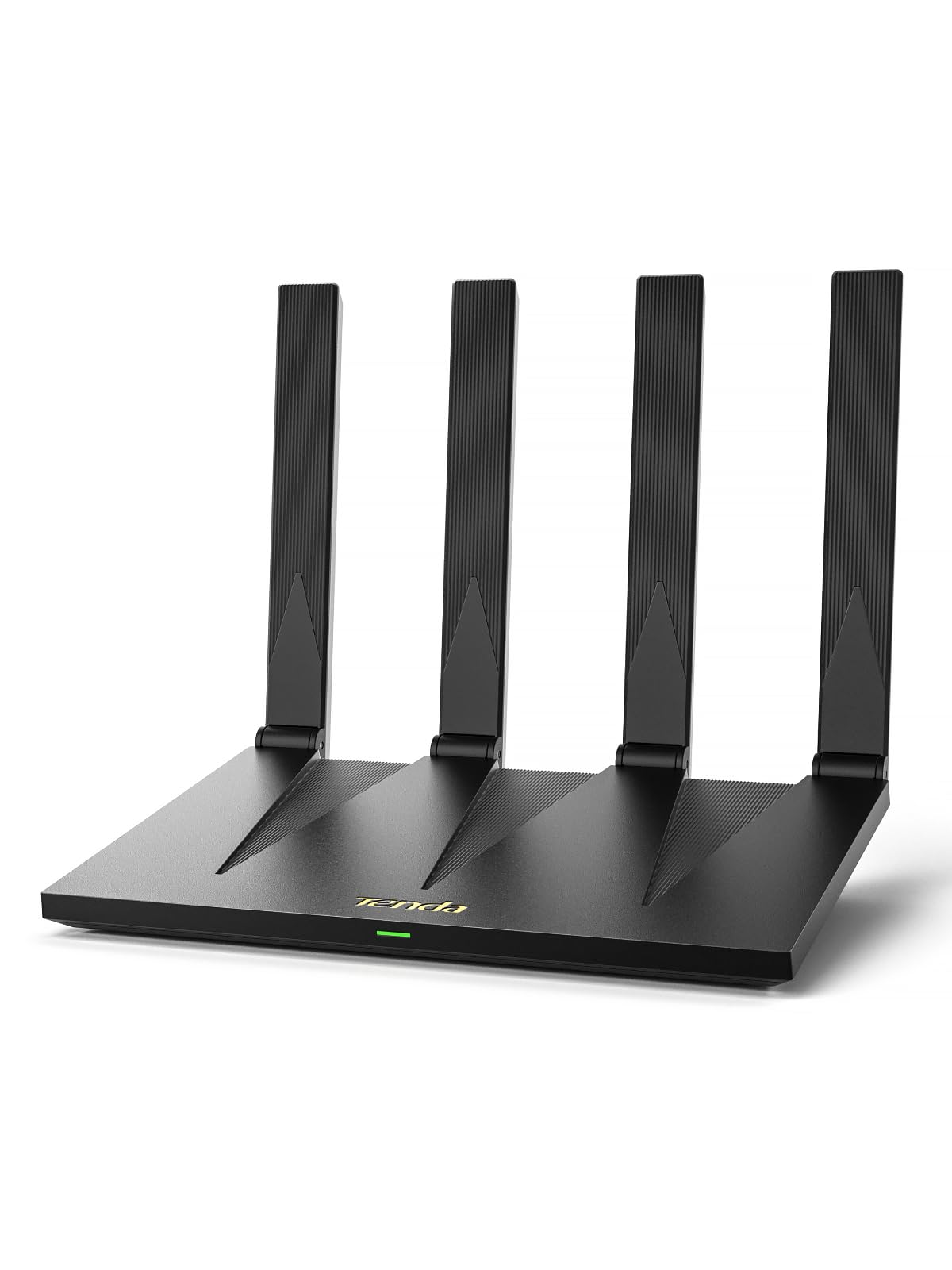
- Dual-band WiFi 6 with OFDMA and MU-MIMO.
- Four gigabit ports with automatic WAN/LAN recognition.
- Supports EasyMesh, IoT network separation, VPN, and Android NFC tap-to-connect.
Best For: Budget-conscious homes seeking WiFi 6, gigabit ports, and built-in VPN support.
TP-Link Roam 7 TL-WR3602BE
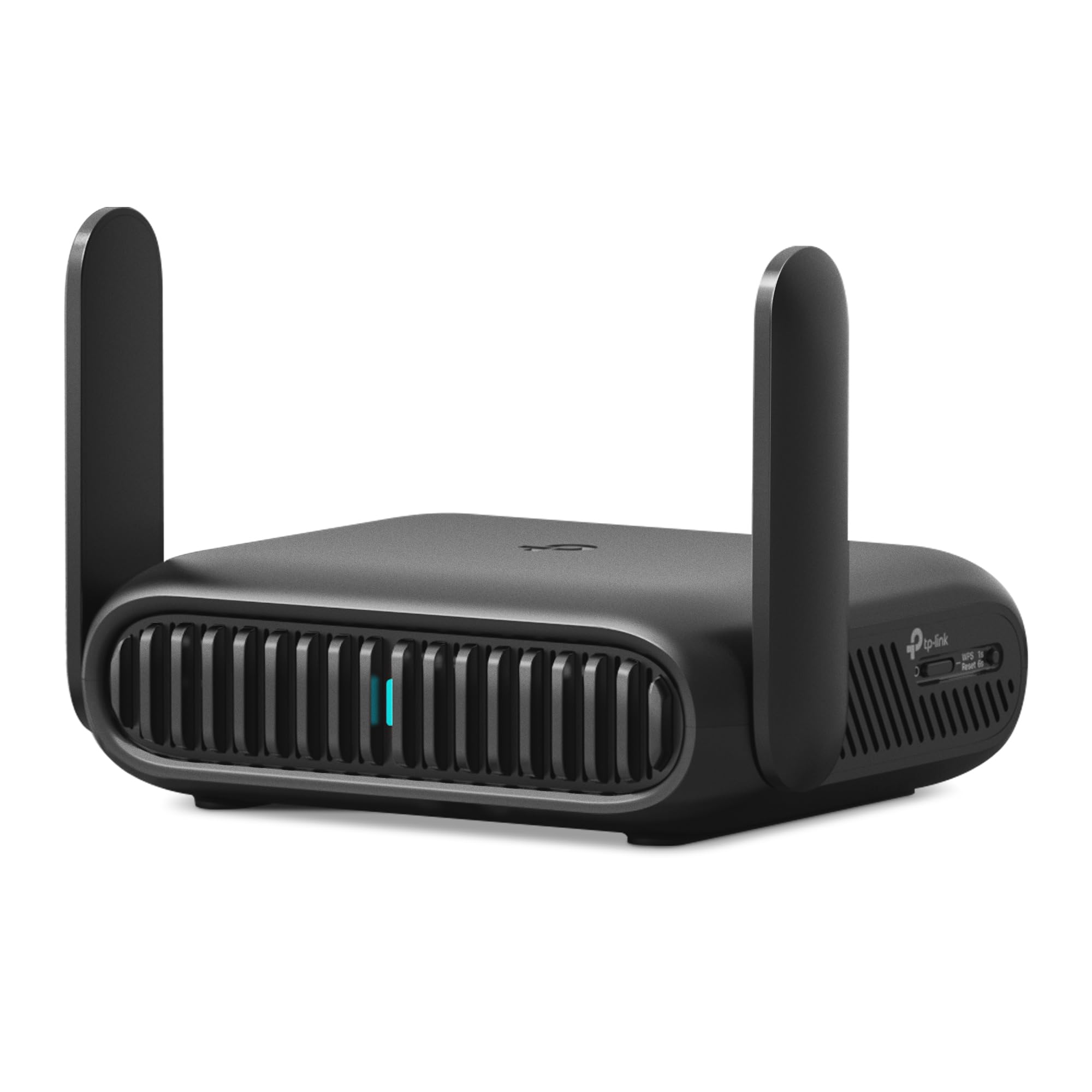
- Creates a private network from public WiFi; supports router, hotspot, AP, repeater, and client modes.
- Includes a 2.5 Gbps WAN port, 1 Gbps LAN port, and OpenVPN/WireGuard support.
- USB-C power works with the included adapter or a 5V PD source.
Best For: Travelers who want to share public WiFi through a private network and need multi-mode connectivity.
TP-Link Roam 6 TL-WR1512X
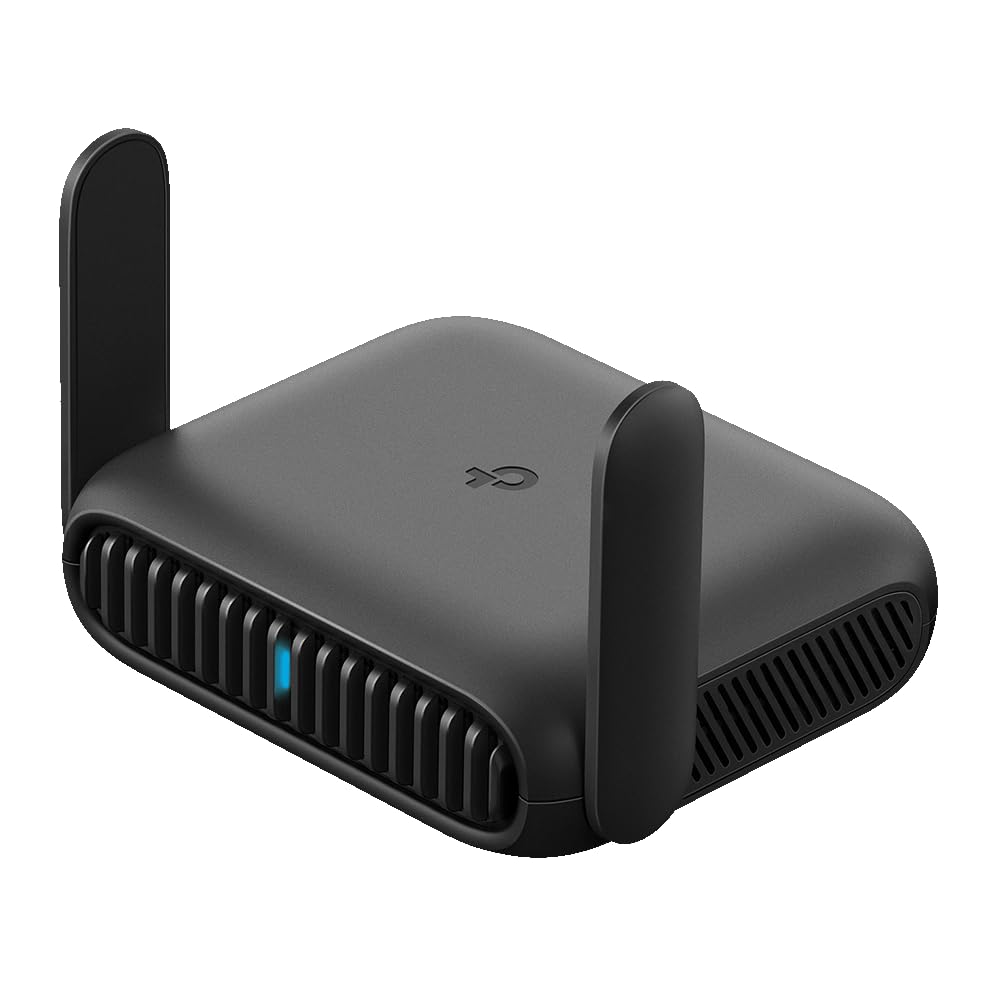
- Pocket-sized WiFi 6 router rated for up to 60 devices.
- Public WiFi sharing, USB tethering, AP, repeater, and client modes.
- Supports OpenVPN and WireGuard; powered by USB-C.
Best For: Travelers who want a pocket-sized router with public WiFi sharing and USB-C power options.
Tri-Band WiFi 7 for Multi-Gig Homes
TP-Link Tri-Band BE9700 WiFi 7 Router (Archer BE600) – 10G Port, 2.5G Port, 3× 2.5G LAN, 320MHz Channel, Covers up to 2,600 sq. ft., 120 Devices, VPN, HomeShield Security
The Archer BE600 combines tri-band WiFi 7 with a 10 Gbps WAN/LAN port, a 2.5 Gbps WAN/LAN port, and three 2.5 Gbps LAN ports. Its listed wireless rates reach 5,765 Mbps on 6 GHz, 2,882 Mbps on 5 GHz, and 1,032 Mbps on 2.4 GHz.
TP-Link gives it a maximum coverage figure of up to 2,600 square feet and support for up to 120 devices. VPN client and server support, HomeShield, and app or web setup round out the feature set.
The 6 GHz band and multi-gig ports are useful only when devices and internet equipment can take advantage of them.
Best For: Households seeking tri-band WiFi 7, broad device capacity, and several multi-gig wired connections.
| Pros | Cons |
|---|---|
|
|
Choose the BE600 if you want WiFi 7 across three bands and several fast Ethernet connections in one home router. Its port mix stands out for a setup with multi-gig internet equipment and multiple wired devices.
Compare it with the dual-band BE400 or BE230 if your devices do not need 6 GHz. Check whether your modem, client devices, and room layout can use the router's faster options before paying for them.
6 GHz WiFi 6E with OneMesh Support
TP-Link AXE5400 Tri-Band WiFi 6E Router (Archer AXE75), 2025 PCMag Editors' Choice, 2.5Gbps WAN Port for Gaming & Streaming, 6GHz Band, 160MHz, OneMesh, Dual-Core CPU, VPN & WPA3 Security
The Archer AXE75 is a tri-band WiFi 6E router with a dedicated 6 GHz band and combined rated wireless speeds up to 5,400 Mbps. TP-Link lists 2,402 Mbps each for 6 GHz and 5 GHz, plus 574 Mbps for 2.4 GHz.
OFDMA is intended to increase capacity for simultaneous device use, while OneMesh support lets you pair it with a compatible TP-Link extender. It also includes a 2.5 Gbps WAN port, VPN client and server functions, and HomeShield's basic network tools.
Its WiFi generation is older than the WiFi 7 picks here, but it remains a distinct option for 6E devices and tri-band needs.
Best For: Homes with WiFi 6E devices that want three bands and a path to OneMesh expansion.
| Pros | Cons |
|---|---|
|
|
Consider the AXE75 if 6 GHz access and OneMesh expansion matter more than having WiFi 7. Its listed 2.5 Gbps port is on the WAN side, so review the wired layout if you also need fast LAN connections.
The BE600 and gaming routers offer WiFi 7, while the AXE75's appeal is a three-band 6E setup with VPN support. Make sure your phones, computers, or other clients support WiFi 6E to benefit from that band.
WiFi 7 with Two 2.5 Gbps Ports
TP-Link BE6500 Dual-Band WiFi 7 Router (BE400) – Dual 2.5Gbps Ports, USB 3.0, Covers up to 2,400 sq. ft., 90 Devices, Quad-Core CPU, HomeShield, Private IoT, Free Expert Support
The Archer BE400 is a dual-band WiFi 7 router with listed maximum rates of 5,764 Mbps on 5 GHz and 688 Mbps on 2.4 GHz. It has one 2.5 Gbps WAN/LAN port, a second 2.5 Gbps LAN port, and three 1 Gbps LAN ports.
The product gives maximum coverage as up to 2,400 square feet and capacity for up to 90 devices. EasyMesh compatibility offers an expansion path, and the router supports VPN clients and servers.
Since it is dual-band, it does not provide a 6 GHz band; its appeal is WiFi 7 with a useful multi-gig port selection.
Best For: Homes wanting dual-band WiFi 7 and multi-gig wired connections without a tri-band router.
| Pros | Cons |
|---|---|
|
|
The BE400 fits a home that wants WiFi 7 and two 2.5 Gbps ports, but does not need three wireless bands. It offers more multi-gig flexibility than the BE230, whose listed port set also has two 2.5 Gbps connections but lower stated WiFi rates.
Compare its port arrangement with your modem and wired devices, since one of the two faster ports can serve as WAN/LAN. Check EasyMesh compatibility if you plan to extend the network later.
Accessible Dual-Band WiFi 7
TP-Link Dual-Band BE3600 Wi-Fi 7 Router Archer BE230 | 4-Stream | 2×2.5G + 3×1G Ports, USB 3.0, 2.0 GHz Quad Core, 4 Antennas | VPN, EasyMesh, HomeShield, MLO, Private IOT | Free Expert Support
The Archer BE230 brings dual-band WiFi 7 features to a four-stream router. Its stated maximum rates are 2,882 Mbps on 5 GHz and 688 Mbps on 2.4 GHz, with Multi-Link Operation, Multi-RUs, and 4K-QAM support.
The port layout includes one 2.5 Gbps WAN/LAN port, one 2.5 Gbps LAN port, and three 1 Gbps LAN ports. TP-Link rates coverage up to 2,000 square feet and up to 60 devices.
EasyMesh, VPN support, HomeShield, and a Tether app provide management and expansion options. It lacks 6 GHz, so compare the dual-band design against tri-band alternatives if that band is a priority.
Best For: Households moving to WiFi 7 that want two 2.5 Gbps ports and EasyMesh support.
| Pros | Cons |
|---|---|
|
|
Pick the BE230 if a dual-band WiFi 7 router and two 2.5 Gbps ports fit your home better than a tri-band model. Its stated maximum coverage and device capacity are more modest than the BE400's, so compare those figures with your home and connected equipment rather than assuming they guarantee performance.
The BE600 adds 6 GHz and more multi-gig ports. Confirm your internet plan and wired gear can use a 2.5 Gbps connection.
Single-Unit Deco Mesh Entry Point
TP-Link Deco 7 BE23 Dual-Band BE3600 WiFi 7 Mesh Wi-Fi Router | 4-Stream 3.6 Gbps,160 Mhz | Covers up to 2,500 Sq.Ft | 2× 2.5G Ports Wired Backhaul | VPN, MLO, HomeShield, Free Expert Help, 1-Pack
The Deco 7 BE23 is a single-unit, dual-band WiFi 7 mesh router with stated rates up to 2,882 Mbps on 5 GHz and 688 Mbps on 2.4 GHz. TP-Link rates this one-pack configuration for up to 2,500 square feet and 150 devices.
Two 2.5 Gbps WAN/LAN ports support wired connections, and the system supports wireless and wired backhaul. Deco mesh uses a single network name and AI roaming, and the model can work with other Deco products.
Because this is a one-pack, consider how many units your layout needs; the coverage figure applies to this configuration and is a maximum.
Best For: Households who want a WiFi 7 Deco mesh unit that can later work with other Deco products.
| Pros | Cons |
|---|---|
|
|
The Deco 7 BE23 suits someone who prefers the Deco mesh approach and wants a WiFi 7 unit with two 2.5 Gbps ports. Unlike the Archer BE230, it is presented as part of a Deco system, with a single network name and roaming features.
Compare the one-pack coverage figure with your layout and decide whether you will need additional Deco units. If you specifically want 6 GHz, look to a tri-band option such as the BE600.
Dedicated Gaming Band and Game Tools
TP-Link Tri-Band BE11000 Wi-Fi 7 Gaming Router Archer GE650 | 6-Stream 11 Gbps supports 320MHz | 2×5G + 3×2.5G Ports USB 3.0 | Game Acceleration, Dedicated Gaming Port & Panel, RGB Lighting|HomeShield
The Archer GE650 is a tri-band WiFi 7 gaming router with stated rates up to 5,764 Mbps on 6 GHz, 4,320 Mbps on 5 GHz, and 574 Mbps on 2.4 GHz. Its feature set includes a dedicated 5 GHz gaming band, game acceleration, a gaming port, and a dashboard for network and router status.
Wired connections include one 5 Gbps WAN port, one 5 Gbps LAN port, and three 2.5 Gbps LAN ports. It also supports EasyMesh and HomeShield.
This is a specialized choice for a gaming setup; its gaming interface and lighting may matter less to homes seeking a quieter, simpler router.
Best For: Gamers seeking a tri-band WiFi 7 router with gaming traffic tools and multi-gig ports.
| Pros | Cons |
|---|---|
|
|
Choose the GE650 when gaming controls and its wired port selection are central to the setup. It offers 5 Gbps WAN and LAN connections plus three 2.5 Gbps LAN ports, while the GE800 steps up to 10 Gbps ports and a higher total wireless rate.
The BE600 is a less gaming-specific tri-band alternative with its own multi-gig layout. Check which ports your modem, gaming PC, and consoles can use before choosing.
High-Capacity Gaming and 10 Gbps Ports
TP-Link Tri-Band BE19000 Wi-Fi 7 Gaming Router Archer GE800 | 12-Stream | 2×10G + 4×2.5G Ports, USB 3.0 | Turbo Acceleration, Dedicated Gaming Port & Panel, RGB Lighting, HomeShield, Free Expert Help
The Archer GE800 is a tri-band WiFi 7 gaming router with a combined rated wireless speed up to 19 Gbps. It has two 10 Gbps ports and four 2.5 Gbps ports, along with a dedicated gaming port, game acceleration, and a panel for network and router status.
A quad-core processor and 2 GB of RAM are specified, and EasyMesh support allows mesh expansion with compatible equipment. Customizable RGB lighting gives the unit a distinctive gaming style.
Its unusually fast wired ports and gaming features suit a specialized setup, but may exceed the needs of an ordinary home network.
Best For: Gaming households with demanding multi-gig wired equipment and a preference for extensive router controls.
| Pros | Cons |
|---|---|
|
|
The GE800 is for a gaming network where multi-gig wired connections and dedicated game controls justify its specialized design. Its two 10 Gbps and four 2.5 Gbps ports give it a different emphasis from the GE650, which has 5 Gbps WAN and LAN ports.
Make sure your internet service and wired devices can use those higher port speeds. If your priority is everyday home WiFi rather than gaming controls, compare simpler dual-band routers instead.
Budget WiFi 6 with VPN Options
Tenda AX3000 WiFi 6 Router,Dual-Band Gigabit Wireless Internet Router, Mesh & AP Mode, Built-in VPN, NFC Tap-to-Connect, OFDMA MU-MIMO, Secure IoT Network for Home Gaming & 4K Streaming(RX12 Pro V3.0)
The Tenda RX12 Pro V3.0 is a dual-band WiFi 6 router with listed rates up to 2,402 Mbps on 5 GHz and 574 Mbps on 2.4 GHz. OFDMA and MU-MIMO support simultaneous device traffic, while four gigabit ports use automatic WAN/LAN recognition.
It supports EasyMesh, access point mode, a separate IoT network, parental controls, and VPN protocols including OpenVPN and WireGuard via a firmware update. NFC tap-to-connect is available with a compatible Android device.
The model is a practical fit for routine home networking, but it is WiFi 6 rather than WiFi 7 and its wired ports are gigabit.
Best For: Budget-conscious homes seeking WiFi 6, gigabit ports, and built-in VPN support.
| Pros | Cons |
|---|---|
|
|
Consider the RX12 Pro V3.0 if gigabit wired connections and WiFi 6 meet your needs, and its VPN and IoT features are useful additions. It is a different class from the WiFi 7 models: its four ports top out at gigabit, and it does not offer their WiFi 7 features.
Confirm whether VPN protocol support is available on the firmware you will use. NFC tap-to-connect requires an Android phone with NFC.
WiFi 7 Travel Router with 2.5 Gbps WAN
TP-Link Roam 7 BE3600 Wi-Fi 7 Portable Travel Router | Dual-Band, 2.5G Port, USB 3.0 | Multi-Modes in One | OpenVPN, WireGuard® | Public WiFi Sharing for Hotel/Cruise/RV/Plane | No 6 GHz | TL-WR3602BE
The Roam 7 is a portable dual-band WiFi 7 travel router designed to create a private network from public WiFi. It supports router mode for Ethernet or USB phone tethering, hotspot mode for public WiFi, and access point, repeater, and client modes.
The ports include a 2.5 Gbps WAN and a 1 Gbps LAN, while VPN client and server support includes OpenVPN and WireGuard. It can be powered through USB-C from the included adapter or a 5V PD power source such as a power bank.
It does not support 6 GHz, and its travel role differs from a home router intended for permanent coverage.
Best For: Travelers who want to share public WiFi through a private network and need multi-mode connectivity.
| Pros | Cons |
|---|---|
|
|
The Roam 7 is the travel pick when hotel or public WiFi sharing and flexible connection modes matter more than home-router coverage. Compared with the Roam 6, it has WiFi 7 and a 2.5 Gbps WAN port, while both support USB-C power and VPN features.
Check the travel network's login process and your power source before leaving. It does not add 6 GHz, despite its WiFi 7 generation.
Compact WiFi 6 Travel Router
TP-Link Roam 6 AX1500 Portable Wi-Fi 6 Travel Router Dual-Band | Easy Public WiFi Sharing | Hotel/RV/Travel Approved | Phone WiFi Tether | USB C 3.0 | Multi-Mode | OpenVPN, WireGuard® | TL-WR1512X
The Roam 6 is a compact dual-band WiFi 6 travel router with listed rates up to 1,201 Mbps on 5 GHz and 300 Mbps on 2.4 GHz. It can connect to public WiFi and create a private network, or operate as a router, access point, repeater, or client.
The two ports are gigabit WAN/LAN and gigabit LAN. OpenVPN and WireGuard support, one-step captive portal authentication through the Tether app, and USB-C power from an adapter or compatible 5V/3A PD source make it travel-oriented.
It is a simpler, lower-speed alternative to the Roam 7, without a 2.5 Gbps port.
Best For: Travelers who want a pocket-sized router with public WiFi sharing and USB-C power options.
| Pros | Cons |
|---|---|
|
|
The Roam 6 fits travelers who want public WiFi sharing, VPN support, and multiple operating modes in a pocket-sized WiFi 6 unit. The Roam 7 offers WiFi 7 and a 2.5 Gbps WAN port, while the Roam 6 keeps both ports at gigabit and has lower listed wireless rates.
Check whether your devices and travel internet need the faster features before deciding. For captive portal use, the model provides a one-step process through the Tether app.
How to Choose Wifi Routers
How We Picked WiFi Routers
This selection covers different jobs under the broad WiFi router category: general home networking, WiFi 6E access, WiFi 7 upgrades, gaming, mesh expansion, and travel. The home models are compared by their wireless bands, stated maximum rates, wired port speeds, coverage and device figures, and expansion options.
Those numbers help distinguish the designs, but they are maximum ratings rather than a promise of results in every room.
Features also shape the practical fit. A 6 GHz band requires compatible client devices.
Multi-gig ports help only when the modem, internet plan, or wired equipment can use them. EasyMesh and Deco compatibility matter when you plan to expand coverage, while VPN functions, game controls, or portable power are useful for specific setups.
Comparing WiFi Routers by Bands and Ports
The biggest wireless distinction is between dual-band and tri-band routers. The Archer BE600, AXE75, GE650, and GE800 include 6 GHz, while the BE400, BE230, and Deco 7 BE23 use 5 GHz and 2.4 GHz.
Choose by the devices you own and the network features you will use, rather than WiFi generation alone. The AXE75 is WiFi 6E; the others with 6 GHz are WiFi 7.
Port layouts vary as much as wireless specifications. The BE600 pairs a 10 Gbps port with four additional multi-gig ports.
The BE400 and BE230 each have two 2.5 Gbps ports, and the Deco 7 BE23 has two ports rated up to 2.5 Gbps. The GE650 offers 5 Gbps WAN and LAN connections, while the GE800 has two 10 Gbps and four 2.5 Gbps ports.
Match these to the modem and devices you actually connect by cable.
| Product | Standout features | Best for |
|---|---|---|
| TP-Link Archer BE600Check Price |
| Households seeking tri-band WiFi 7, broad device capacity, and several multi-gig wired connections. |
| TP-Link Archer AXE75Check Price |
| Homes with WiFi 6E devices that want three bands and a path to OneMesh expansion. |
| TP-Link Archer BE400Check Price |
| Homes wanting dual-band WiFi 7 and multi-gig wired connections without a tri-band router. |
| TP-Link Archer BE230Check Price |
| Households moving to WiFi 7 that want two 2.5 Gbps ports and EasyMesh support. |
| TP-Link Deco 7 BE23Check Price |
| Households who want a WiFi 7 Deco mesh unit that can later work with other Deco products. |
| TP-Link Archer GE650Check Price |
| Gamers seeking a tri-band WiFi 7 router with gaming traffic tools and multi-gig ports. |
| TP-Link Archer GE800Check Price |
| Gaming households with demanding multi-gig wired equipment and a preference for extensive router controls. |
| Tenda RX12 Pro V3.0Check Price |
| Budget-conscious homes seeking WiFi 6, gigabit ports, and built-in VPN support. |
| TP-Link Roam 7 TL-WR3602BECheck Price |
| Travelers who want to share public WiFi through a private network and need multi-mode connectivity. |
| TP-Link Roam 6 TL-WR1512XCheck Price |
| Travelers who want a pocket-sized router with public WiFi sharing and USB-C power options. |
Choosing a Home WiFi Router for Coverage
Coverage and device counts provide a starting point, not a room-by-room guarantee. The BE600 is rated for up to 2,600 square feet and 120 devices; the BE400 for up to 2,400 square feet and 90 devices; and the BE230 for up to 2,000 square feet and 60 devices.
The one-pack Deco 7 BE23 gives a maximum of 2,500 square feet and 150 devices, and can work with other Deco products. Wall placement and layout still affect how much coverage a single router provides.
If you need to add coverage, check the system family before buying extra equipment. Archer models here that support EasyMesh can pair with compatible routers or extenders.
The AXE75 supports TP-Link OneMesh, which is a separate compatibility path. Deco units are designed to work with other Deco products.
Check compatibility by model before planning an expansion.
WiFi Router Features for Gaming and Privacy
The GE650 and GE800 are the most gaming-specific options in this group. The GE650 has a dedicated gaming band, game acceleration, a gaming port, and a dashboard.
The GE800 adds a dedicated gaming port and panel, RGB lighting, and a larger set of faster wired ports. These controls are relevant if you want to manage gaming traffic or connect several high-speed devices; a general home router may be a better fit if those features would go unused.
For network privacy, the AXE75, BE400, BE600, Deco 7 BE23, and both Roam travel routers list VPN client and server support. The Tenda RX12 Pro V3.0 supports several VPN protocols, with WireGuard requiring a firmware update.
Check which protocol you need and whether it applies to your intended router mode. The Roam models are specifically designed to create a private network from public WiFi, which makes them more suitable for hotel or travel use than a standard home router.
Who Should Buy Which WiFi Router?
Choose the BE600 for a tri-band WiFi 7 home network with extensive multi-gig wired options, or the AXE75 if WiFi 6E and OneMesh support suit your equipment. The BE400 and BE230 are dual-band WiFi 7 choices; compare their stated coverage and device figures, and select based on the size and port needs of your setup.
The Deco 7 BE23 makes sense if you want a single unit in a Deco mesh system with a possible path to add units.
For gaming controls, compare the GE650's 5 Gbps ports and dedicated gaming band with the GE800's 10 Gbps connections and broader port capacity. The Tenda RX12 Pro V3.0 fits a gigabit WiFi 6 setup with VPN and IoT options.
For travel, choose between the Roam 7's WiFi 7 and 2.5 Gbps WAN port and the smaller feature profile of the Roam 6. In every case, confirm modem requirements, client compatibility, and whether your expected wired speeds justify the ports you are choosing.